

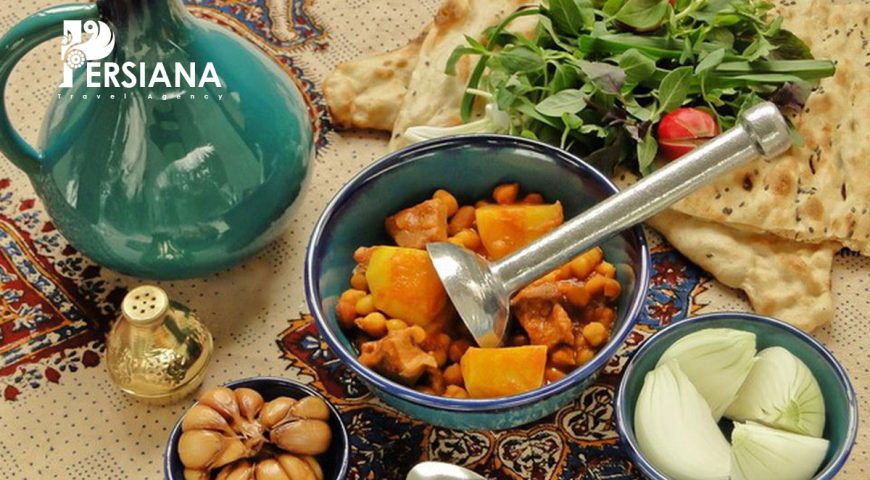
foods of hamedan
When you travel to a new city, one of the things you shouldn’t ignore is trying the city’s cuisine. It tells you a part of the city’s culture. Trying the local cuisine of any city can be one of the best parts of the trip and bring unforgettable memories. In this article we want to talk about Hamedan’s food which is a great destination in terms of cuisine.
Hamadan is one of the most ancient cities of the country, a city with a long history and, of course, delicious dishes. This city is located in the mountainous areas. So, we expect many foods to contain protein to meet the body’s needs during long, cold winter nights. Ingredients such as meat and brain have an important role in Hamedan’s cuisine.
Hamadan is one of the places where people are very fond of eating watery foods such as ash and Abgosht. In such a way that most of the traditional and native dishes prepared by the women of Hamedan are covered by an interesting variety of these types of dishes.
There is a lot of food variety in this city but in this article, we mention the most famous foods of Hamedan.
Ashe Khoshkbar

Ashes are one of the traditional and historical dishes of Iran. Hamadan Khoskbar Ash is one of these Ashes that has been traditionally served since ancient times.
In terms of the lightness of the food, Ash belongs to the category of light foods and it can be used in various meals. The ancients considered Ash as the main food. It is considered a luxury food according to the availability of raw materials for food.
Hamedan’s local Ashes are very healthy and useful. This Ash is compatible with your mood if you like dried fruits such as plums, cherries, etc., that have a sweet taste. Vegetables, bone meat, dried fruits (dried cherries, peach leaves, dried sour plums), noodles, grape juice, legumes (peas, beans, lentils), onions, and mint are the important ingredients of this food.
Khoreshte Ghore Bademjan

Khoreshte Ghore Bademjan is a traditional dish of Hamedan which refers to eggplant and unripe grape stew. With the arrival of summer season and the arrival of fresh vegetables, one of the hearty dishes that are cooked in abundance in Hamadan is eggplant and unripe grapes stew. Due to the use of unripe grapes in the contents, the stew gets a sour taste. Therefore, it is a suitable option for people who like to eat sour foods. The time to cook this dish is mostly in the summer season, when fresh unripe grape is available. But you can store unripe grapes in the freezer and prepare this delicious stew in other seasons as well.
To prepare and cook this delicious and pleasant you should use eggplant, unripe grapes, onion, tomato, salt, spices, chicken, pepper, turmeric, minced meat and tomato paste.
Abgoshte Bozbash

Abgoshte Bozbash or Bozbash broth is one of the traditional and very delicious Iranian broths. In terms of appearance and taste is not similar to other traditional broth or Diziy. The origin of this traditional broth is attributed to Hamadan province.
Usual broth is cooked with peas, white beans, tomatoes and tomato paste. But the simple and delicious Bozbash broth is cooked with red beans and green vegetables. The way to prepare this broth is simple and actually a combination of cooking vegetable stew and usual broth.
To make this tasty food you need mutton with fat or tail, red beans or pinto beans, green vegetables (leek, parsley, fenugreek), onion, peeled potatoes, lemon juice, salt, red pepper and black pepper. This food is mostly served with vegetables, pickles, Shirazi salad and bread.